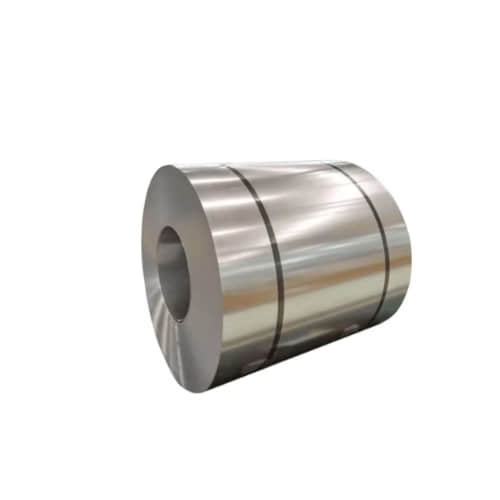
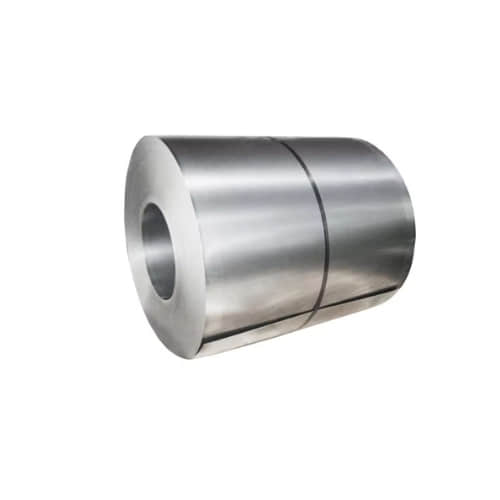
Welcome to Metallurgical Hengtai (Tianjin)Technology Co.,Ltd
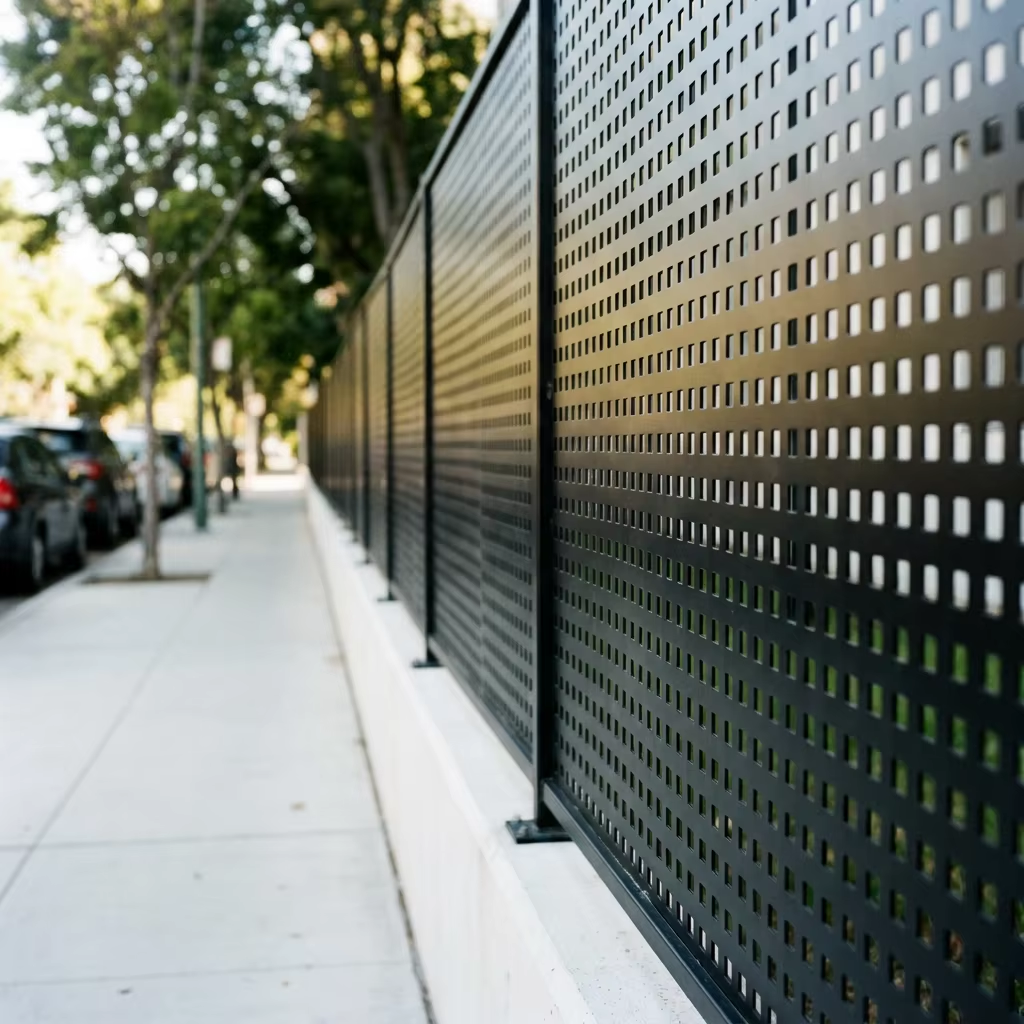
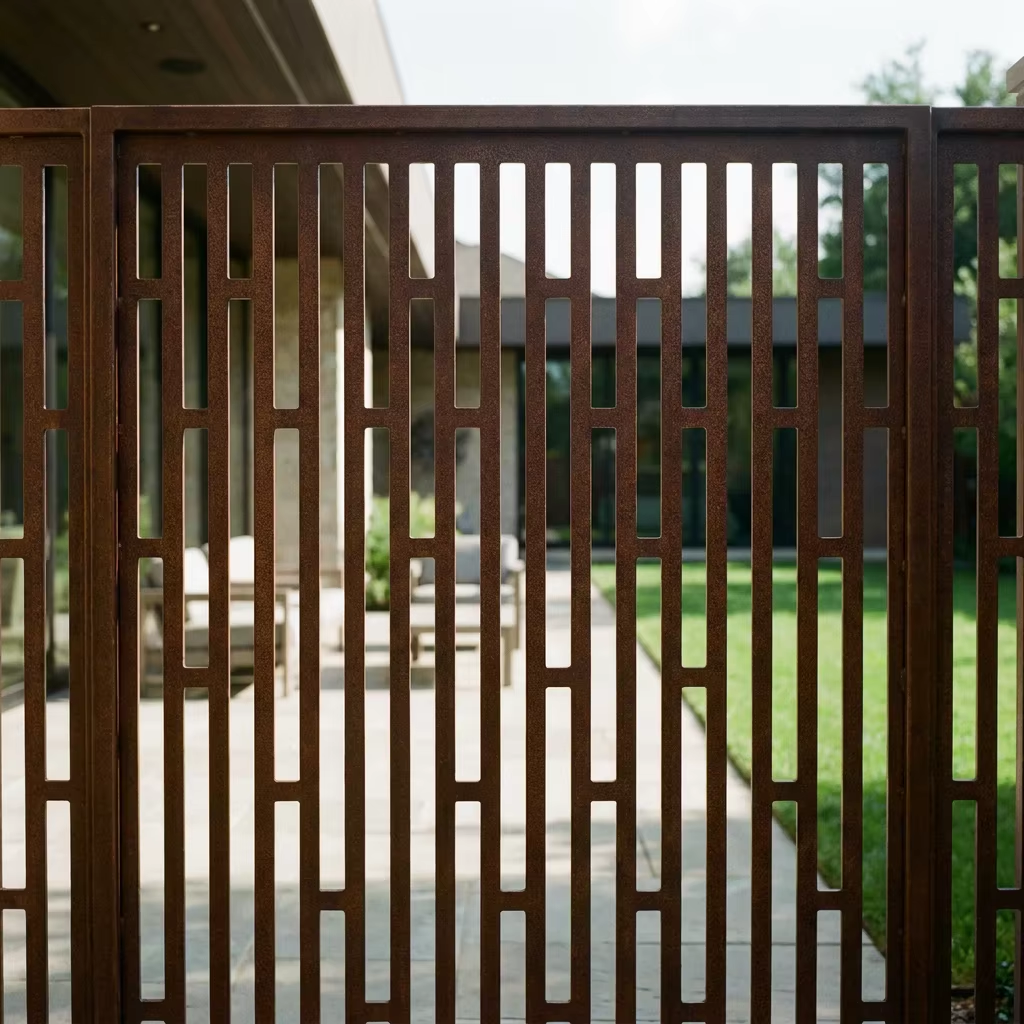

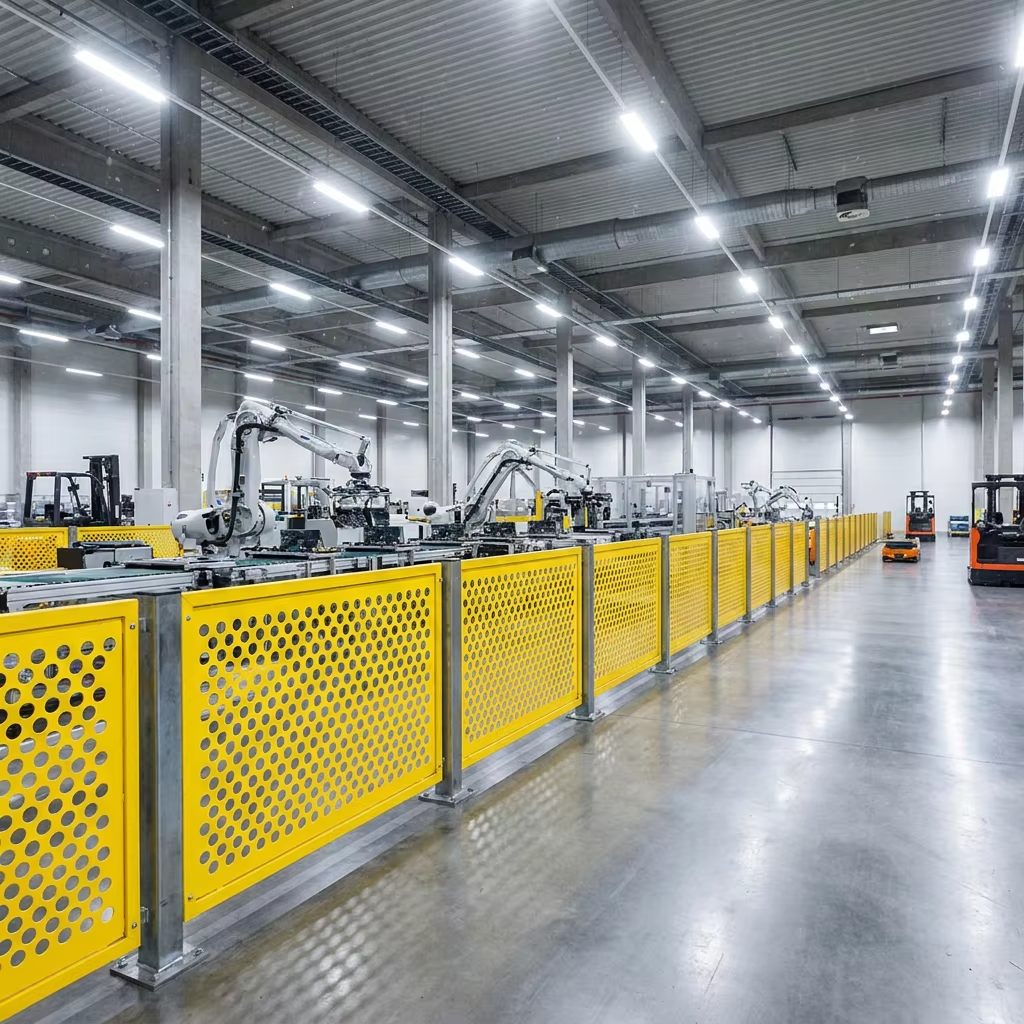
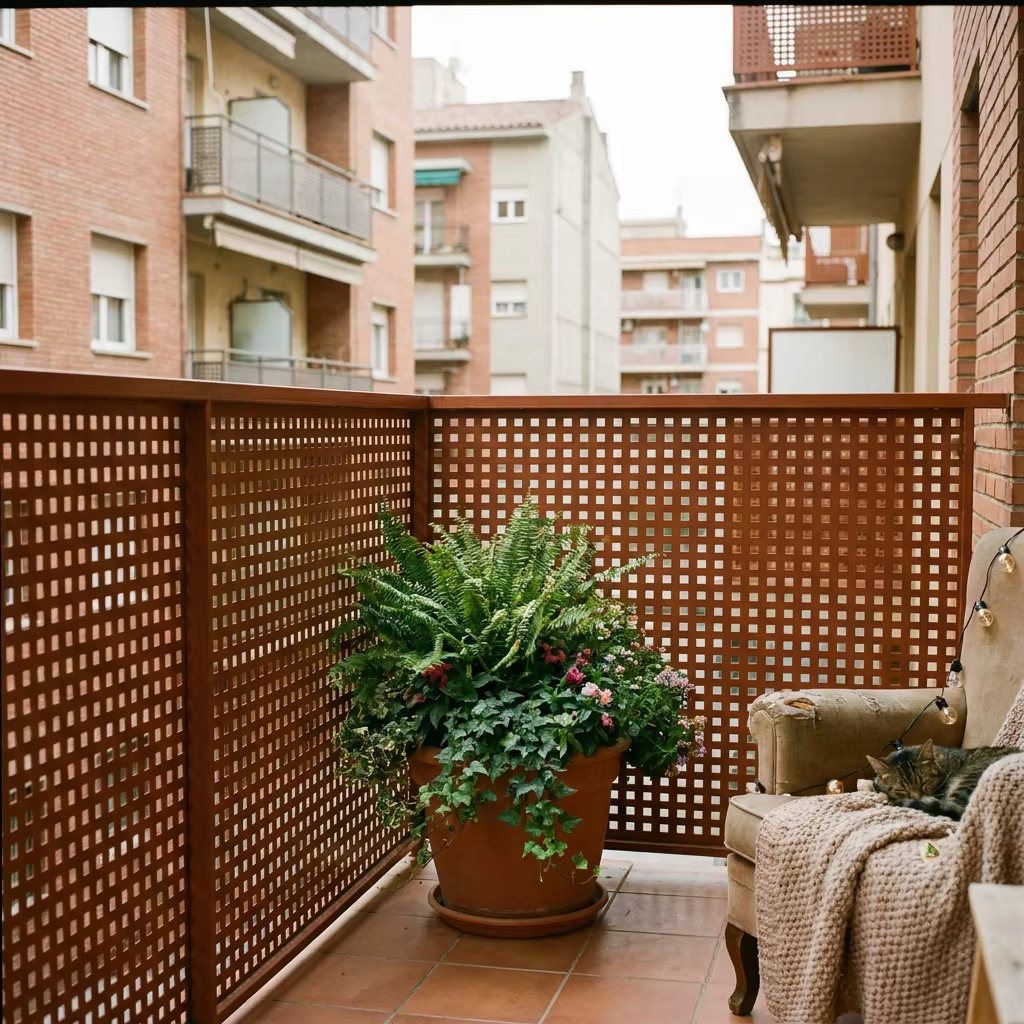
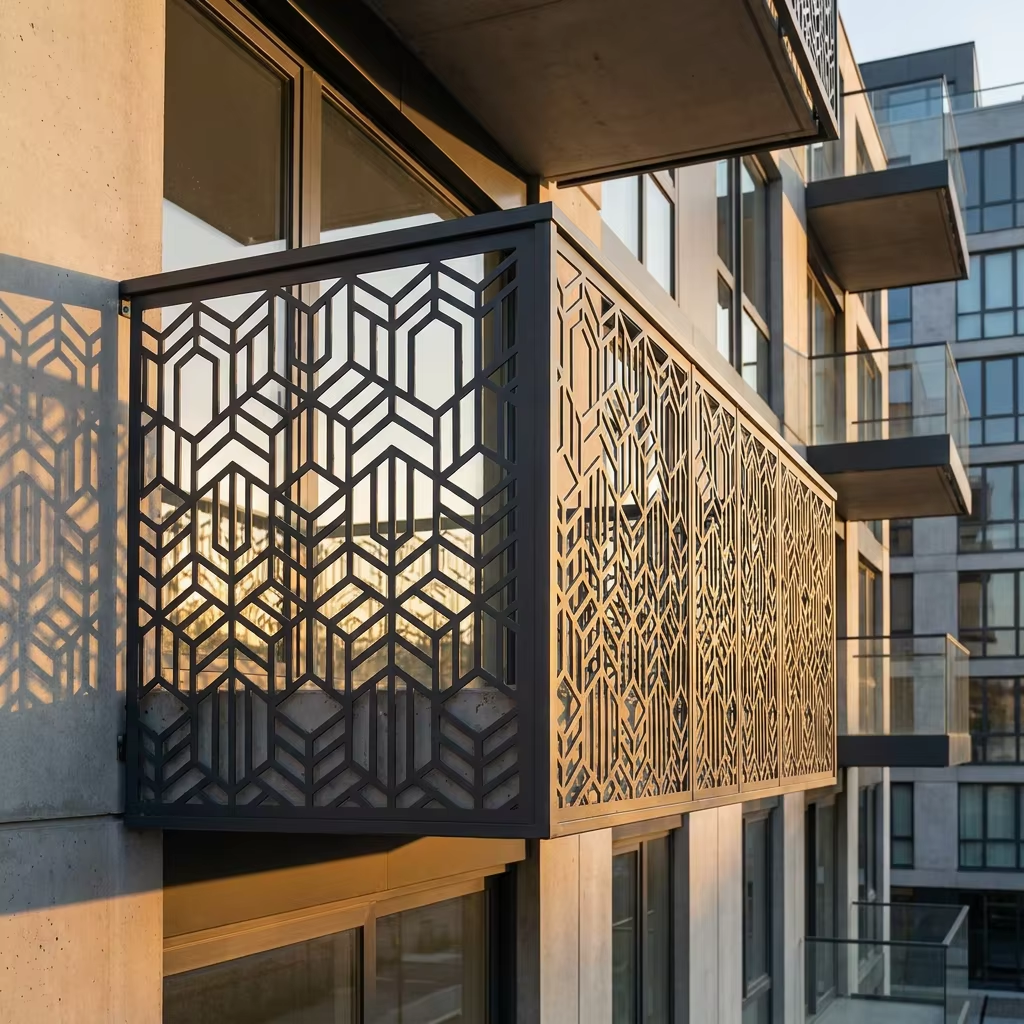
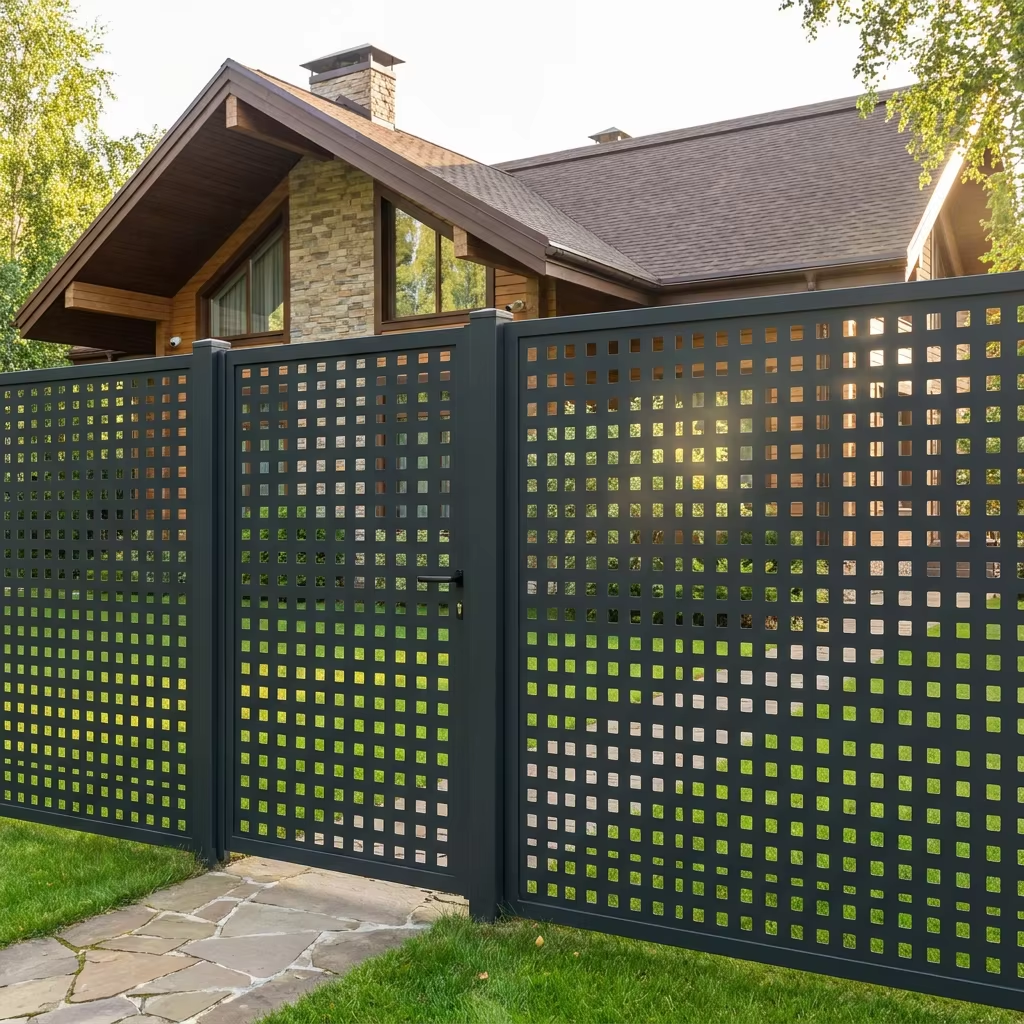
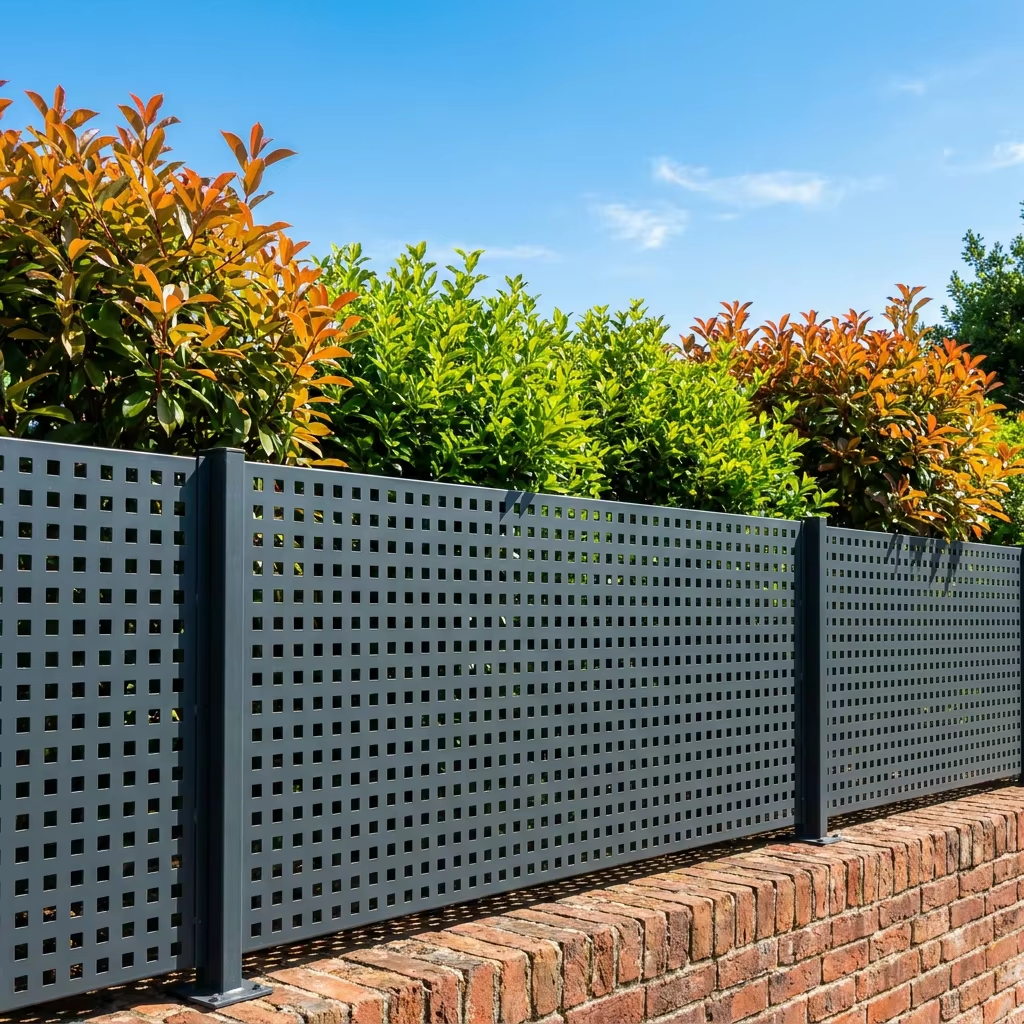
Perforated Metal Safety Fencing
A perforated panel is a simple product. What makes it complicated is that the same sheet is judged by three completely different sets of rules
Perforated Railing Panels — The Inspector's Sphere Never Goes Through the Holes
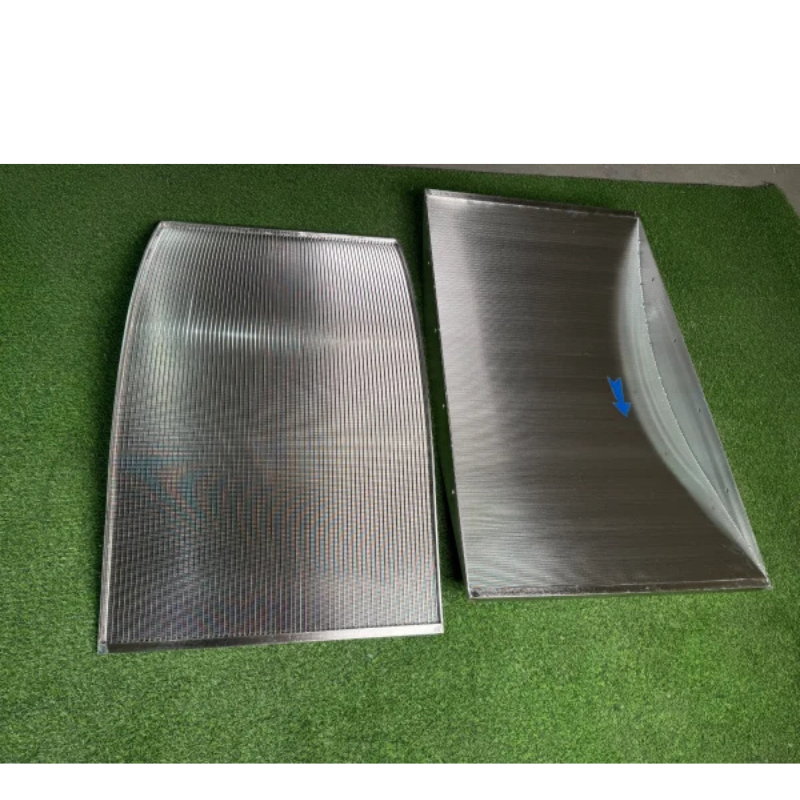
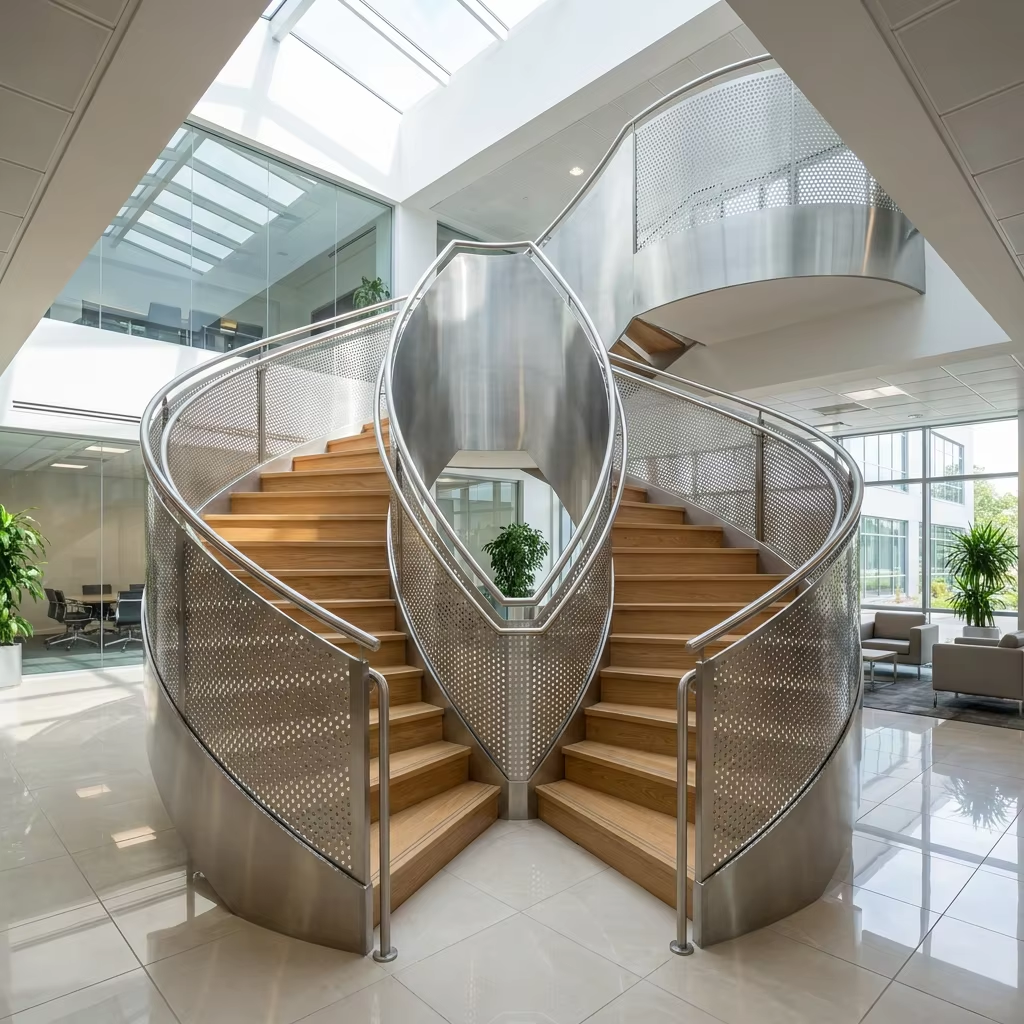
Perforated infill panels for stair, deck, balcony and platform railings — carbon steel and stainless, custom patterns and gradient fades, formed and coated to your post centres and rake angle.
Here is the thing that surprises most buyers who are new to perforated infill: on a railing, the sphere almost never passes through the pattern. A panel perforated with small round holes cannot pass a 4-inch sphere anywhere in its field, so the hole size is rarely the compliance question. The sphere goes around the panel. It goes through the gap between the panel edge and the post, the gap between the panel and the underside of the rail, the gap under the bottom of the panel, and the opening that opens up between two panels where a stair rake is split. Those gaps are not set by the pattern at all — they are set by detailing and by field tolerance, and they are what the inspector actually tests. So the drawing we need from you is not the hole pattern first; it is the post centres, the rail section, the rake angle and the mounting surface. That is what we detail the perimeter from.
The thickness, meanwhile, is not chosen for its looks. Perforated panels catch less wind than a solid panel, which is exactly why architects specify them on exposed decks and high-level balconies — but "less" is not "none". The design wind pressure acting on the panel's solidity ratio is what sets the panel thickness and the post spacing, and that calculation has to be done before the pattern is finalised. Choose a panel for its appearance, then span it across post centres that were set by the architecture, and the result is a panel that breathes under gust load. Flexing is not just a feel problem: every load cycle works the fixings and frets the coating at the contact points, which is where exterior railings start to corrode. On stairs there is a second consequence — a rake panel is a parallelogram, not a rectangle, so the pattern has to be phased against the rake edges so the visible diagonal boundary does not slice through a row of holes.
Finally, understand that on a coated railing the coating fails at the holes and the cut edges first. Punching and shearing do not coat anything — every aperture and every trimmed edge on a perforated panel is a bare-steel ring or face. Outside, in a chloride or industrial atmosphere, that is precisely where rust starts, and it starts from the inside of the edge outward. The answer is a pretreatment under the topcoat rather than a thicker topcoat: e-coat or a zinc-rich primer before powder, with the finish specification set by the exposure — AAMA 2605 where you need the 10-year performance and colour stability, AAMA 2604 where the exposure is moderate. Where stainless fixings or panels meet aluminium posts, the joint is also a dissimilar-metal joint, and it needs an isolating detail rather than a direct contact.
Specification at a glance
| Types Finishes | Stair and rake panelshorizontal deck and balcony infill,platform guard infill,balustrade panels Powder coated;PVDF/fluoropolymer powder to AAMA 2604 or AAMA 2605;galvanised and painted;mill, |
| Materials | brushed or mirror stainless Carbon steel,stainless 304/316L,aluminium |
| Hole forms Aperture | Round,square,slotted,hexagonal,decorative and custom shapes [1.5]-[12]mm,or engineered to the applicable opening limit |
| Thickness | [1.0]-[6]mm,set by the wind and load calculation and the fixing detail |
| Pattern | Straight or 60°staggered;uniform,gradient /fading,multi-density,image and halftone effects |
| Solid zones Geometry | Solid margins and lands for the fixings,positioned to your post and rail layout Flat panels and rake panels cut as parallelograms to your stair angle;folded and returned edges for stiffness |
| Perimeter | Panel-to-post,panel-to-rail,base and panel-to-panel gaps detailed and documented against the project's |
| detailing | sphere requirement |
| Coating prep | E-coat or zinc-rich primer under the topcoat,so punched and sheared edges are protected rather than left bare |
| Documents | Coating certificate with dry film thickness,material cerificate to EN 102043.1,dimensional report,packing lis B/L,certificate of origin |
Why specifiers and fabricators buy here
Perimeter detailing treated as the compliance-critical feature. We work from your post centres, rail section and rake angle, and document the gaps against the project's sphere requirement — instead of quoting a hole size and hoping it passes.
Pattern phased to the rake, not just to the sheet. Visible stair edges are set so the diagonal does not cut through a hole row.
Coating specified against exposure, with the cut edges primed. Punched holes and sheared edges are treated before the topcoat, so corrosion does not start where the panel was cut.
Custom and gradient patterns made to an architectural drawing. Solid lands positioned where the fixings land, rather than left where the pattern happened to fall.
Send your post centres, rail section, rake angle, panel height and width, hole pattern, thickness, material and finish specification, plus the exposure class the project has to satisfy. We will confirm the perimeter detailing and pattern phasing we can hold, quote FOB [Tianjin] and give you a lead time — usually within [24] hours.